Morning
Done by 8 biohackers

Deliberate cold exposure through ice baths or cold showers, often daily. Commonly used seeking alertness, recovery, and resilience to stress.

Quick facts

  • 1Cold-water immersion triggers a large, well-documented spike in norepinephrine, the alertness chemistry behind the post-plunge 'high'.
  • 2Common practice sits between 2 and 10 minutes in water around 5–15°C (40–60°F); colder isn't considered better by most practitioners.
  • 3Many athletes time plunges away from strength training, as some studies suggest immediate post-lift cold may blunt muscle adaptation.
  • 4The gasp reflex in cold water is real, practitioners enter gradually and never plunge alone in open water.

Why people do it

  • Alertness and mood: Cold water triggers a large norepinephrine release. The post-plunge clarity many describe is the best-supported effect.

  • Stress resilience: Voluntarily doing a hard thing every morning is half the point: practitioners report the discomfort tolerance carries into the rest of the day.

  • Recovery ritual: Athletes have used cold immersion for decades to feel fresher between sessions, though the science on performance recovery is mixed.

Good to know

  • Enter gradually: The gasp reflex in cold water is real. Practitioners get in slowly and keep their breathing controlled.

  • Timing around training: Some studies suggest cold immediately after strength work may blunt muscle adaptation, so many separate the two by several hours.

  • Never alone in open water: Cold shock plus open water is a genuinely dangerous combination.

Common questions

How cold and how long?+

Most practice falls between 2 and 10 minutes at 5 to 15°C (40 to 60°F). Colder is not considered better; controlled breathing is the marker of a good session.

Are cold showers enough?+

They are the standard entry point, and a 2016 Dutch trial on cold showers found a 29% reduction in self-reported sick days. Most of the subjective benefits overlap.

Should I dunk my head?+

There is no research showing added benefit, and people prone to ear problems usually keep their head above water.

Takeaway

The strongest case for cold water is how it makes the next few hours feel: alert, calm and accomplished. Treat it as a daily mood tool, start with cold showers, and respect the safety basics.

Biohackers doing this (8)

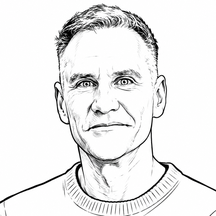
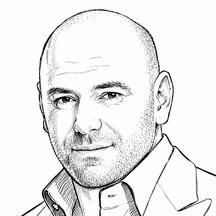
Gary BreckaHuman biologist, co-founder of 10X Health and host of The Ultimate Human. A former mortality-risk analyst, he built his method around gene testing and fixing nutrient deficiencies, methylation first, plus morning sunlight, breathwork, cold and hydrogen water; he discusses peptide therapies openly on his podcast. Dana White publicly credits Brecka's protocol with transforming his health.
Kevin RoseTechnology investor and founder of Digg, Oak (meditation) and Zero (fasting), apps that grew out of his own practices. His documented routine pairs daily meditation with a consistent time-restricted eating window, cold plunges, sauna, and a near-ceremonial pour-over coffee ritual.
Aubrey MarcusFounder of Onnit and author of Own the Day, Own Your Life, which turned his daily protocol into a playbook. It starts with a morning mineral cocktail of water, sea salt and lemon, followed by sunlight and movement, breathwork, deliberate cold exposure, and unstructured time outdoors.
Kayla Barnes-LentzBiohacker and co-owner of LYV wellness clinics who documents her protocol publicly on the Longevity Optimization podcast. Her days are structured around circadian light, morning sun, evening blue-light blocking, sauna and cold contrast, red-light therapy, a whole-food organic diet, no alcohol, and clinician-supervised therapies she discusses openly.
Chris HemsworthActor behind Thor and founder of the fitness platform Centr, whose National Geographic series Limitless documented him stress-testing longevity science on himself. His regular routine mixes functional strength training, surfing, ice baths and sauna contrast, and shared family meals at home in Byron Bay.
Dana WhiteUFC President and CEO who publicly overhauled his health after human biologist Gary Brecka told him, from bloodwork alone, that he had about a decade to live. White credits the data-driven protocol, including an 86-hour water fast he described publicly, cleaned-up eating, daily training and cold/heat exposure, with dramatic weight loss and reversing multiple risk markers.
Wim HofDutch extreme athlete known as The Iceman, holder of multiple cold-endurance world records and creator of the Wim Hof Method. His days are built around the two pillars he teaches: cycles of deep rhythmic breathing done first thing on an empty stomach, and deliberate daily cold exposure, plus the yoga and mobility practice that underpins his records.
LeBron JamesFour-time NBA champion famous for treating recovery as seriously as training, reportedly investing seven figures a year in his body. Publicly documented pieces include eight to ten hours of sleep plus naps, pilates and yoga, cold plunges and recovery tech, low-impact conditioning, and a disciplined in-season diet.

Notes from the community

Sign up to share how you do this habit.

No notes yet, be the first.

For information only.

These habits are compiled from public statements and are not medical advice or endorsed by these figures. Consult a qualified professional before changing your routine, supplements, or therapies.