Daytime
 Daytime
High-protein meals
Eating meals emphasizing protein throughout the day, an approach many use to support muscle maintenance and satiety.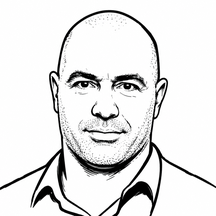
 4
4
Evening
 Evening
Wind-down routine
Following a consistent, low-stimulation set of activities before bed, often with dim light. Commonly used to signal the body toward rest and support a steadier sleep schedule.
Morning
 Morning
Strength training
Resistance exercise using weights, kettlebells or bands, typically done several times a week to build or maintain muscle and support long-term health. Morning
Morning meditation
Sitting to meditate soon after waking, from a few minutes to an extended block. Commonly used to set a calm, focused baseline for the day.
Evening
Wind-down and reading
Decompressing in the evening with reading away from work, a routine many use to relax and ease the transition toward sleep. Nighttime
 Nighttime
Fixed sleep window
Keeping consistent bedtimes and wake times every day, including weekends. Many find a stable schedule supports more regular, restful sleep. Morning
Sauna and cold plunge
Alternating heat exposure in a sauna with cold-water immersion, commonly used for recovery, circulation and building stress resilience. Timing and temperatures vary. Morning
Fish oil and vitamin D3
Taking omega-3 fish oil alongside vitamin D3 daily. Two of the most common supplement staples, often used to support heart, brain, and overall health, especially where sun exposure is limited. Morning · 04:30
Wake at 4:30 AM
Rising very early on a fixed schedule, often before dawn, a habit some use to anchor a consistent circadian rhythm and gain quiet morning hours.
Morning
Cardio session
Aerobic conditioning such as treadmill, elliptical or hill work, commonly added to round out overall fitness and endurance. Morning
Hydration and greens
Starting the day with water and a greens or nutrient drink, commonly used to support hydration and add micronutrients to the morning routine. Morning · 04:55
Blueprint stack: creatine, collagen and co.
Taking a published, pre-decided supplement list at a fixed time, commonly used to make supplementation consistent and auditable rather than ad-hoc. Exact stacks vary widely between practitioners. Morning
Review analytics
Checking metrics such as traffic, rankings or performance data at the start of the day. Often used to guide priorities and track progress.
Morning
Vitamins D, A, K and E
Taking the fat-soluble vitamins D, A, K, and E together, sometimes called "DAKE." Commonly used with the aim of covering nutrients best absorbed with dietary fat; protocols vary.
Nighttime
Sleep tracking and optimization
This habit uses wearables or apps to monitor sleep and then adjust bedroom setup, timing and routines around the data. It's commonly used to improve sleep quality and consistency. Morning
Cold plunge
Deliberate cold exposure through ice baths or cold showers, often daily. Commonly used seeking alertness, recovery, and resilience to stress.
Daytime
Training in nature
Exercising outdoors through activities like climbing, hiking or cold-water swimming, often valued for combining physical training with time in nature.
Morning
Broccoli-sprout sulforaphane
Consuming broccoli sprouts or a sulforaphane extract, often in smoothies. A plant compound many take for its antioxidant and cellular-health properties; intake methods vary.
Evening
Metformin (evening)
Taking metformin, a prescription medication, sometimes off-label as a metabolic intervention. Use, timing and dosing vary and are typically overseen by a clinician.
Nighttime
Early, protected sleep
Prioritizing an earlier bedtime and a dark, cool, undisturbed sleep environment. Commonly used to support sleep quantity and quality.
Daytime
Periodic water fasting
Abstaining from food and consuming only water for an extended period, repeated occasionally. Often described as a reset; approaches vary and prolonged fasts carry risks.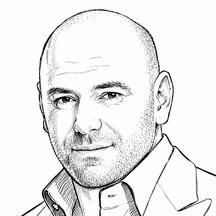
Nighttime
Evening magnesium
Taking a magnesium supplement in the evening as part of a wind-down routine. Commonly used with the aim of supporting relaxation, muscle recovery, and sleep; forms and doses vary.
Daytime
Low sugar and refined carbs
Minimizing sugar and refined carbohydrates throughout the day, a dietary approach many adopt to support stable energy and metabolic health. Morning
Functional strength training
Strength work emphasizing movements that translate to everyday activity, commonly used to build practical strength, stability and mobility.
Morning · 04:40
Morning oral care
A fixed oral-hygiene sequence, brushing, water-flossing and tongue-scraping, done as part of the wake-up routine; oral health is increasingly discussed alongside systemic health. Morning
Sauna sessions
Regular heat exposure in a sauna, sometimes alternated with cold for contrast therapy. Often used seeking cardiovascular benefit and recovery; frequency and duration vary. Morning · 07:00
Zone 2 and resistance exercise
Combining low-intensity aerobic (zone 2) cardio with resistance training, a mix many use to support cardiovascular fitness and muscular strength. Morning
Slow morning puttering
Keeping mornings unhurried with routines like coffee, reading and breakfast. Many find an easy start helps set a calmer tone for the day.
Daytime
Reading research papers
Regularly reading primary scientific literature on topics like nutrition and aging, a practice many use to stay informed through original sources. Daytime
Daily fitness newsletter
Writing and publishing a daily fitness newsletter, often sharing a workout or health guidance. Commonly used to build a routine of teaching and community.
Daytime
Long walks
Taking extended walks, sometimes while thinking, talking, or working through ideas. Many find walking useful for reflection and light activity.
Evening
Plan tomorrow
Reviewing the day and setting the next day's priorities before stopping. Commonly used to reduce decision fatigue and start the morning with focus. Daytime
Home workouts when traveling
Doing hotel-room or bodyweight exercise while traveling, a practice many use to maintain consistency when gym access is limited.
Daytime
Archery or hunting practice
Practicing archery and hunting as a recurring outdoor activity, valued for skill-building, focus and time spent in nature. Morning
Daily cardio
Doing regular cardiovascular exercise such as elliptical, workouts, or sport. Many use it for fitness, energy, and overall health; duration varies. Morning
Strength and rucking
Combining resistance training with walking under a weighted pack (rucking), commonly practiced to build and preserve muscle, bone density and endurance.
Morning
Boxing workout
Boxing-based training combining cardio, footwork, and striking drills. Commonly used for conditioning, coordination, and stress relief; intensity and format vary.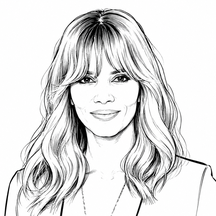
Morning
Hydrate with electrolytes
Starting the day with water and added electrolytes, often before caffeine. Commonly used to support morning hydration; formulations and amounts vary.
Morning · 05:25
IHHT (hypoxia-hyperoxia training)
Intermittent hypoxia-hyperoxia training: breathing alternating low- and high-oxygen air through a mask, commonly explored for mitochondrial and cardiovascular conditioning. Protocols vary and practitioners typically work with providers. Daytime
Walks and outdoors
Taking walks or spending time outside, sometimes in nature, to break up the day. Commonly used to recharge, clear the mind and add light movement.
Morning · 04:45
Garage gym workout
Training at home in a garage gym, often soon after waking, rotating lifts, kettlebells and bodyweight work for convenient, consistent strength training.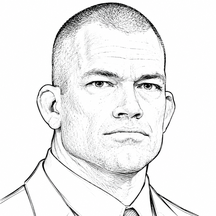
Daytime
Learning and reading
Setting aside regular time to read about one's field, industry trends and related topics, commonly done to stay current and support ongoing skill development. Daytime
Hydration discipline
Consistently prioritizing water intake, especially during demanding or high-stress periods. Many find steady hydration supports energy, focus, and performance. Morning
Hydrogen water
Drinking water enriched with dissolved hydrogen gas. Commonly consumed with the intent of supporting antioxidant status and recovery; evidence and protocols vary. Morning
Daily creatine
Taking creatine every day, one of the most widely studied supplements. Commonly used with the intent of supporting muscle performance, strength, and cognitive health. Nighttime
No screens before sleep
Powering down phones and screens ahead of bedtime. Commonly used in an effort to protect sleep quality and ease winding down. Morning · 04:35
Morning breath work
A short breathing session shortly after waking, slow, structured breathing commonly used to transition into the day calm and alert. Evening · 19:00
Blue-light blocking
Reducing evening blue-light exposure with amber glasses or dimmed lighting after sunset. Many use it in the hope of supporting natural melatonin and easing the transition to sleep. Morning
Morning strength training
Resistance training performed in the morning, sometimes with a coach or trainer. Commonly used to build strength and muscle, support metabolic health, and establish a consistent routine.
Evening
Evening wind-down
Deliberately stepping back from work and screens before bed to relax. Commonly used to protect sleep quality and support recovery. Evening
Reading before bed
Reading fiction or non-work material at night to unwind. Many find it a calming way to transition toward sleep. Daytime
Environment design
Arranging one's surroundings so desired habits become the easy default and distractions are reduced. Often used to make good behaviors more automatic.
Morning
Peptide protocols (BPC-157, TB-500)
Use of peptides such as BPC-157 and TB-500 with the stated intent of supporting injury recovery and performance. Protocols vary and remain largely experimental. Morning
Coffee and quick news scan
Briefly reviewing headlines and markets over morning coffee. Commonly used to stay current at the start of the day. Daytime
Mindfulness meditation
A daily practice of focused, present-moment awareness, commonly used to manage stress and support mental clarity and emotional balance.
Daytime
Cryotherapy or cold
Cryotherapy or cold exposure involves brief time in cold air or water. It's commonly used for recovery and mood, with many reporting a sense of alertness afterward. Morning
Morning sport
Doing an active sport such as swimming, tennis or kitesurfing before breakfast. Commonly used to start the day with energy and consistent movement.
Daytime
Weekend outdoors
Spending weekend time on outdoor activities like hiking or cycling. Commonly used to recharge, reset and add movement away from the workweek routine. Daytime
Two-minute rule starts
Beginning a daunting task with a tiny two-minute version to overcome inertia. Commonly used to build momentum and make starting easier. Daytime
Clean, protein-forward diet
Eating protein-centered meals while cutting added sugar and processed foods. Many adopt it seeking body composition, satiety, and general health goals. Daytime
Regular exercise
Exercising on a regular basis to maintain fitness and induce beneficial metabolic stress, widely regarded as a foundation of general health. Morning
Morning mineral cocktail
Drinking water mixed with sea salt and lemon upon waking, commonly used to rehydrate and replenish electrolytes at the start of the day.
Daytime
Whole-food organic diet
Eating primarily minimally processed, whole foods with a preference for organic options. Often chosen to limit additives and processed ingredients; sourcing and standards vary.
Morning
Surf session
Surfing as a form of exercise and mental reset, valued by many for combining physical activity with time in the ocean. Evening
Evening journal review
Closing the day with a short journal entry on wins and lessons. Often used to reflect and reinforce learning. Morning
Morning bike ride
Cycling to the gym or elsewhere most mornings as regular transport and exercise. Commonly used to build consistent daily activity. Evening
Family dinner
Sharing an unhurried evening meal with family, often eaten earlier in the evening, valued for connection and routine. Morning
Fasted movement
Exercising or moving before eating, ranging from light mobility to harder workouts, a routine some use to structure their morning and training. Morning
Breathwork (30 breaths)
Performing rounds of roughly thirty deep breaths followed by breath retentions, typically on waking and an empty stomach. Often used to shift energy, focus, and physiological state. Morning
Daily cold plunge
A daily cold plunge involves immersing in cold water, often first thing in the morning. It's commonly used for recovery, alertness and building a sense of discipline. Evening
Ice bath and sauna
Alternating heat exposure in a sauna with cold plunges in an ice bath. Commonly used for recovery and a sense of resilience; protocols vary.
Daytime
Habit tracking
Recording whether daily habits were completed, often using a chart, app, or streak. Many use it to stay accountable and maintain consistency over time. Daytime
Nutrient-timed meals
Timing meals and macronutrients around training and daily energy needs. Commonly used to support workout performance and recovery; specific approaches vary widely. Morning
Daily gym hour
Committing to about an hour of training each day in whatever form it takes. Often used to maintain consistency and overall fitness. Daytime
Hard decisions before lunch
Reserving high-stakes or complex decisions for the late morning. Many find they think most clearly earlier in the day, before fatigue sets in. Evening
Neurofeedback / meditation
This pairs meditation with neurofeedback techniques intended to train attention and calm the mind. Many use it seeking improved focus and stress regulation. Morning · 06:10
Deep work block
Reserving an early, protected block for the day's hardest cognitive work, before meetings and messages fragment attention. Evening
Reading habit
Reading daily across chosen topics for ideas and understanding. Commonly done to keep learning, spark thinking, and refill creative reserves.
Evening
Quiet reflection
Taking deliberate quiet time to reflect and stay centered amid a busy schedule. Often used to reduce stress and maintain a sense of perspective. Daytime · 10:00
No meetings before 10
Blocking the early morning by scheduling the first meeting no earlier than 10 AM. Often used to protect time for focused work or personal routines. Daytime
Daytime nap
Adding a short afternoon nap on top of nighttime sleep. Many use it to top up rest and recovery, especially during demanding or high-activity periods. Morning
Daily training
Exercising every day across modalities such as weights, cardio, and conditioning. Commonly done to maintain fitness, strength, and routine. Daytime
Pegan-style meals
Eating a 'pegan' style diet blending paleo and vegan principles: whole foods, mostly plants, with quality protein. Many adopt it for a whole-food focus; approaches vary.
Morning
Salt juice
Starting the day with water mixed with lemon and sea salt. Often used for hydration and electrolytes; ingredients and amounts vary by person. Evening
Carb-forward dinner
Shifting a larger share of daily carbohydrates to the evening meal. Some do this hoping to support sleep onset and recovery; approaches vary. Daytime
NSDR / yoga nidra
Practicing non-sleep deep rest (NSDR) or yoga nidra, a guided relaxation done while awake. Often used to restore focus and calm, especially after poor sleep. Morning
Hormone and peptide recovery therapy
Medically discussed use of hormone replacement and peptide-based therapies intended to support recovery. Protocols vary widely and are typically supervised by clinicians. Morning
Breathing exercises (three sets)
This involves structured, often forceful breathing done in sets to shift energy and physiology. It's commonly used as a quick way to change state before focused activity. Daytime
Sensory deprivation float
Floating in an isolation tank of buoyant water with minimal light and sound, used periodically for relaxation and mental reset. Morning
Morning workout
Exercising early on most days to establish energy and rhythm before other tasks. Many use it to support fitness and set a focused tone for the day. Morning
Warm lemon water
Starting the morning with warm water and lemon, a simple ritual many use for hydration and to ease into the day. Daytime
Batch content ideas
Collecting and stockpiling content ideas in advance rather than creating on the spot, a workflow many use to keep production steady and avoid creative stalls. Evening
Review and gratitude
This habit closes the day by reflecting on wins and noting things one is grateful for. It's commonly used to reinforce progress and cultivate a positive mindset. Nighttime
Consistent sleep
Keeping a steady sleep schedule and aiming for adequate rest, commonly prioritized to support recovery, training and next-day performance. Evening
No food close to bed
Finishing the last meal well before bedtime. Commonly practiced with the aim of supporting digestion and sleep quality. Morning
Vitamin D, K2 and omega-3
Adding vitamin D, K2 and omega-3 to a daily supplement routine, a common combination many take to support general health. Protocols and doses vary. Morning
Cold thermogenesis
Deliberate cold exposure via a plunge or cold shower, often done in the morning and commonly used for alertness and recovery. Nighttime
Collagen and magnesium before bed
Taking collagen protein and magnesium in the evening. A nighttime pairing many use with the intent of supporting recovery, connective tissue, and sleep quality. Evening
Blue-light blocking glasses
Wearing amber or blue-light blocking glasses in the evening is intended to reduce light exposure that may disrupt sleep. Many use them to support their nightly wind-down. Daytime
Content creation block
Dedicating focused time to writing and producing marketing or creative content. Commonly used to build consistency and steady output. Morning
Stability and mobility work
Performing dynamic neuromuscular, stability and mobility drills, often at the start of a workout, commonly used to prepare the body and reduce injury risk. Daytime
Focused work blocks
Structuring the day around dedicated periods for decision-making, meetings or concentrated tasks. Often used to organize time and reduce scattered attention. Morning
Methylated B-vitamin stack
Taking methylated forms of B vitamins alongside minerals, sometimes chosen based on genetic testing. Often used with the intent of supporting methylation and energy metabolism; protocols vary. Morning
Regenerative therapies (publicly discussed)
This refers to interest in regenerative approaches like stem-cell and peptide therapies, typically for injury recovery. Protocols vary greatly and are generally clinician-directed. Daytime
Team and client meetings
Grouping calls and meetings into set blocks of the day, a scheduling habit often used to protect stretches of uninterrupted focus time. Morning
Omega-3s, vitamin D and magnesium
Taking EPA/DHA omega-3s, vitamin D, and magnesium together. A common combination used with the aim of supporting cardiovascular, bone, and general health; forms and doses vary. Daytime
Protect focus, avoid meetings
Limiting meetings to preserve uninterrupted blocks for focused work, a practice many use to boost productivity and reduce fragmented attention. Daytime
Continuous glucose monitoring
Wearing a sensor that tracks blood glucose continuously, commonly used to understand how food, exercise and other factors affect metabolism. Daytime
Keto-style eating
A ketogenic-style diet very low in carbohydrates and higher in fat. Often used for weight management or blood sugar control; approaches vary and some manage medical conditions with guidance. Evening
One meal in the evening
A form of time-restricted eating in which the main meal is eaten in the evening. Approaches vary; people commonly adopt it for simplicity or dietary goals. Morning
Pour-over coffee ritual
Preparing morning coffee slowly by hand with a pour-over method, treated as a deliberate ritual often valued for its mindfulness and control over flavor. Daytime
Grass-fed, low-toxin meals
This approach emphasizes quality-sourced, often high-fat foods like grass-fed meats while avoiding processed items seen as harmful. People commonly adopt it seeking cleaner, nutrient-focused eating. Daytime
Take the stairs / stay active
Building incidental movement into the day, such as taking stairs and avoiding long stretches of sitting, a habit many use to stay active beyond formal workouts. Daytime
Prioritized task list
Starting the day by identifying a short list of the highest-impact tasks, a common productivity practice many use to focus effort and avoid spreading attention too thin. Morning
Caffeine cutoff by noon
Limiting caffeine to the morning and avoiding it after midday. Commonly used to let natural sleep pressure build and reduce interference with sleep. Nighttime
Earlier, longer sleep
Prioritizing more total sleep and an earlier bedtime as part of a routine. Commonly done to aid recovery, energy, and overall well-being. Evening
Light early dinner
Eating a smaller, earlier evening meal, often within a set eating window, a practice many find supports digestion and sleep. Morning
Gene-matched vitamin protocol (10X Health)
Taking methylated B vitamins, vitamin D3, and minerals selected based on bloodwork and genetic testing. A personalized approach used with the intent of matching supplements to individual results; protocols vary. Daytime
Daily note-taking
Consistently writing down ideas, tasks and observations in a notebook. Commonly used to capture thoughts, aid memory and support later reflection. Morning · 04:00
Read user email
Setting aside time to read messages from customers, users or colleagues. Often used to stay connected to feedback and keep informed about ongoing concerns. Daytime
Zone 2 cardio
Steady, low-intensity aerobic exercise kept in a moderate heart-rate zone. Commonly done to build aerobic base and support mitochondrial and cardiovascular health. Morning
Breathwork
A structured breathing practice used to influence focus, calm or energy. Techniques and durations vary between individuals. Daytime
Group workouts (fitness classes)
Attending group fitness classes for structured exercise, often used to add variety, accountability and social motivation to a workout routine. Morning
Early to the office
Arriving at work ahead of the usual start time to begin on priorities. Many find the early hours offer quieter conditions for focused tasks. Morning
Peptide protocols (publicly discussed)
This refers to using peptides such as BPC-157 as part of a broader wellness regimen, typically for recovery goals. Protocols vary widely and are often described as clinician-supervised. Morning
Make the bed
Making the bed first thing each morning, often framed as a small, reliable win that sets a productive tone for the rest of the day. Daytime
Low-impact cardio
Conditioning using low-impact machines such as a climber or stationary bike. Often chosen to build cardiovascular fitness while sparing the joints. Morning
Short intense workout
A short intense workout uses brief, high-intensity training, sometimes with specialized machines, to build fitness efficiently. Many favor it for staying conditioned on a tight schedule. Evening
Daily stretching
Setting aside time each day to stretch. Commonly done to improve flexibility, ease tension, and support long-term physical health.
Morning
Morning stretching and yoga
Starting the day with yoga-style stretching and mobility work, commonly used to improve flexibility and ease into the day. Morning · 09:00
First meal (Super Veggie)
Eating one fixed, plant-heavy meal, typically legumes, vegetables, berries, nuts, seeds and olive oil, commonly used to make nutrient-dense eating automatic instead of a daily decision. Daytime
Steak and eggs, low carb
A low-carb, protein-heavy eating pattern built around foods like steak and eggs. Many follow it for satiety and simplicity; approaches vary widely. Nighttime
Consistent sleep schedule
Keeping regular bedtimes and wake times day to day. Many find a steady sleep routine helps support consistent energy, focus and overall well-being. Daytime
Deep-work session
Reserving an uninterrupted block for the most important creative or cognitively demanding work. Many find it improves focus and output quality. Morning · 03:45
Wake at 3:45 AM
Rising very early, well before dawn, to start the day ahead of messages and distractions. Many find the quiet early hours useful for uninterrupted focus. Daytime
Post-meal walk
A short walk taken after eating. Commonly used to aid digestion and blunt post-meal blood sugar spikes; duration and pace vary between individuals.
Daytime
Light, disciplined eating
Keeping meals simple and moderate throughout the workday. Many use this approach to maintain steady energy and consistent eating habits. Morning
Family breakfast
Sitting down to breakfast with family, often after morning exercise. Many value it as shared time and a steady start to the day. Morning
Email and inbox first
Starting the workday by processing email and messages. Commonly done to stay responsive and clear communication early. Evening
Do the dishes
Washing the household dishes each evening as a closing ritual. Many use small routine chores like this to mark the end of the day and clear the mind. Nighttime
Early bedtime
Going to bed early to support a pre-dawn wake time and adequate rest. Often adopted to keep early routines sustainable. Evening · 18:00
Data and metrics review
Regularly reviewing tracked data like sleep and HRV to guide changes to habits or routines. Often used to spot patterns and make informed adjustments over time. Daytime
Second workout
Adding a later training session on top of an earlier one. Often used to increase overall volume across cardio, strength, or skill work. Nighttime
Consistent early sleep
Keeping a regular, relatively early bedtime and wake time. Many treat consistent sleep timing as a foundation for recovery and daily performance. Morning
Long daily walk
Covering substantial distance on foot each day, sometimes commuting by walking. Often used for movement, thinking time, and general health. Nighttime
Eight hours of sleep
Prioritizing a full night of roughly eight hours of sleep. Many report clearer thinking and better decision-making when well rested; individual needs vary. Daytime
Plant-forward, high-protein meals
An eating pattern centered on plants while intentionally meeting protein targets. Many follow it to support satiety, muscle maintenance, and overall nutrition; specific targets vary. Morning
Multivitamin, omega-3s and vitamin D3
Taking a multivitamin, omega-3s, and vitamin D3 as a daily foundation. A common baseline combination used with the intent of covering broad nutritional needs. Morning
Sauna and contrast therapy
Contrast therapy alternates heat, such as sauna or hot tub, with cold exposure. It's commonly used for circulation and recovery, with many finding it relaxing. Morning · 04:00
Early wake
Rising in the pre-dawn hours to create time for training or focused work before the day's demands begin. Daytime
Strict in-season diet
Tightening eating habits during a competitive season, typically cutting sugar and processed foods. Many use it to support performance and recovery. Morning
Red-light therapy
Red-light therapy involves exposure to red and near-infrared light via panels or devices. It's commonly used for skin, recovery and mitochondrial support, with many incorporating it into daily routines. Daytime
Midday walk
Taking a short walk during the day to break up focused work. Many find it helps clear the mind and provides light movement. Daytime
Mostly plant-based diet
Eating a largely plant-forward diet while keeping meat, sugar and processed foods low, an approach many adopt for general health and longevity goals. Morning
Gratitude journaling
Writing a brief gratitude or intentions entry, often in the morning, a practice many use to feel grounded and set a positive tone. Daytime
Constant reading
Reading widely and regularly across topics like business and technology. Many use it to stay informed and spot new ideas or opportunities. Morning
Morning training (cardio/strength split)
Training in the morning while alternating endurance and resistance days across the week. Commonly used to balance cardio and strength goals; splits vary. Morning
Deliberate cold exposure
Using cold showers or cold plunges, often several times a week. Many report doing it for alertness, mood, and building resilience; temperatures and durations vary. Morning
Morning sunlight
Getting outdoor light soon after waking, commonly used to help anchor circadian rhythm and support daytime alertness. Evening
Blue-light blocking at night
Wearing blue-light-blocking glasses and dimming lights in the evening. Commonly done to limit light exposure that many find disruptive to melatonin and sleep onset. Morning
Butter coffee morning
Starting the day with high-fat coffee blended with butter or oil, often in place of breakfast. Many use it for satiety and sustained energy; recipes vary. Morning
Barefoot morning sunlight
Standing or walking barefoot outdoors in early daylight, sometimes called grounding. Commonly done to anchor circadian rhythm and start the day with natural light. Morning
Light morning exercise
A brief movement session, such as kettlebells or mobility, to wake up the body. Many use it to feel alert and energized at the start of the day. Morning · 04:45
Morning light + red-light therapy
Getting bright light into the eyes shortly after waking, often paired with red-light exposure, commonly used to anchor the circadian clock and reinforce morning alertness. Daytime · 11:00
Final meal by 11 AM
Finishing all eating by late morning to lengthen the overnight fast, a form of time-restricted eating. Approaches vary; many use it to structure meals and extend fasting windows. Nighttime
Sleep protocol
Prioritizing a fixed sleep schedule in a cool, dark room, a set of habits many use to improve sleep quality and support overall recovery. Evening
Dim lights after sunset
Reducing bright and overhead lighting in the evening after sunset. Commonly used to limit light exposure many find disruptive to melatonin and wind-down. Morning
Micronutrient smoothie
Blending nutrient-dense ingredients like greens, berries and sprouts into a morning smoothie, commonly used to boost vegetable and micronutrient intake. Daytime
Record the podcast
Setting aside dedicated time for long-form recorded conversation, a work routine centered on unhurried, in-depth discussion. Evening
Afternoon sunlight viewing
Getting outdoor light in the late afternoon or early evening. Many use it hoping to ease the transition into evening and support circadian timing. Daytime
HIIT workout
High-intensity interval training, alternating short bursts of intense effort with recovery, often used to build cardiorespiratory fitness in less time. Daytime
Nature walk or grounding
Spending unstructured time walking outdoors, sometimes barefoot on natural surfaces (grounding). Often done for relaxation, light movement, and a sense of connection to nature. Nighttime
Sleep-first schedule
Structuring the day around getting a full night's sleep, treating it as a foundational health priority. Many frame it as central to long-term wellbeing. Morning
Journaling (Five-Minute Journal)
Writing a brief gratitude-and-intentions journal, typically morning and evening. Many find it helps set focus and reflect on the day. Morning · 05:00
Wake at 5 AM
Rising around 5 AM to take advantage of quiet early hours. Many find the early start useful for focused work, exercise or personal time before the day begins. Morning
Phone-free first hour
Keeping the phone away during the first hour after waking, a habit many use to start the day intentionally rather than reacting to notifications. Daytime
Fast until about midday
Delaying the first meal until late morning or midday, a form of time-restricted eating. Many adopt it for simplicity or metabolic goals; windows vary. Nighttime
Cool bedroom
Keeping the bedroom cool and dark overnight, commonly practiced to support deeper, more restful sleep. Daytime
Deep work and reading
Setting aside protected, distraction-free time for focused research, writing and reading, commonly used to improve concentration and productivity. Daytime
Gluten-free plant-forward diet
Eating a gluten-free, largely plant-based diet. Approaches vary; people commonly adopt it for dietary preference, digestion or general wellbeing. Morning
Daily weight training
Strength training every day, adjusting volume and intensity rather than skipping sessions. Many use it to maintain consistency, muscle and fitness. Daytime
Whole-food, low-processed diet
Eating mostly minimally processed foods such as quality protein, fruit, and simple staples while limiting packaged items. Many adopt it for overall health and steadier energy. Daytime
Stay hydrated through the day
Drinking water steadily throughout the day, commonly done to sustain energy, focus and general hydration. Evening
Avoid alcohol
Reducing or eliminating alcohol intake, commonly done to support sleep quality, energy and overall wellbeing. Morning
Morning sunlight viewing
Getting outside for low-angle natural light shortly after waking. Often used to help anchor circadian rhythm and support daytime alertness; timing and duration vary. Morning
Alpha Brain nootropic
Taking Alpha Brain, a branded nootropic supplement, often before focused work or training. Commonly used with the intent of supporting focus and mental clarity; formulations and responses vary. Daytime
Afternoon training or jiu-jitsu
Training a sport or lifting later in the day as a physical outlet. Commonly used for fitness, skill, and stress relief. Evening
Weekly habit review
Setting aside time each week to review habits and systems. Often used to course-correct early and stay aligned with goals. Morning
Skip breakfast (fasting)
A form of time-restricted eating that skips the morning meal, delaying the first meal until later. Many use it to condense their eating window; protocols vary. Morning
NMN and resveratrol
Taking the supplements NMN and resveratrol, often together, as part of a longevity-oriented routine. Intent varies by individual and protocols differ widely. Morning
Coffee and news
Reviewing the day's news over a cup of coffee, typically in the morning. Commonly used as a simple routine to catch up on events before starting work. Evening
Emotional health practice
Engaging in therapy, self-reflection and related practices as part of overall wellbeing, commonly used to support emotional and mental health. Morning
Peptide therapies (publicly discussed)
Use of peptide compounds, typically described within supervised protocols and for goals like recovery or performance. Strictly descriptive of intent; approaches, legality, and oversight vary widely. Evening
Evening reflection
Reviewing at day's end how things went and what to adjust tomorrow. Commonly used to learn from the day and plan improvements. Evening
One meal a day
Eating a single daily meal, typically in the evening, as a form of time-restricted eating. Many adopt it for simplicity; approaches vary. Daytime
Afternoon strength or skill
Adding a strength or skill-focused training session later in the day. Many use it to distribute training load or develop specific abilities alongside morning routines. Nighttime
Nine hours of sleep
Prioritizing a long night's sleep, often eight to ten hours, widely regarded as a key tool for recovery, energy and overall health. Nighttime
Screen dimming at night
Reducing bright and screen light in the evening, a habit many use to limit sleep disruption and support natural sleep onset. Evening
No food before bed
Avoiding food for a few hours before sleep, a habit many adopt with the intent of improving sleep and overnight metabolism. Morning
Priming ritual
A priming ritual is a short morning practice combining breathing, gratitude and visualization to set a focused mental state. Many use it to start the day intentionally. Daytime
90-minute focused work bout
Protecting a roughly 90-minute block of uninterrupted deep work for demanding cognitive tasks. Often used to align focus with natural ultradian cycles. Evening
Wind down and read
Ending the day with reading instead of work or screens, a wind-down ritual many find helpful for relaxing and easing into sleep. Daytime
Brazilian jiu-jitsu
A grappling martial art practiced regularly for fitness and skill development, often pursued as both exercise and a lifelong discipline. Daytime
Red-light and PEMF
Using red-light therapy and pulsed electromagnetic field (PEMF) devices, often as part of a recovery and energy routine. Many are drawn to it for perceived recovery support; protocols and devices vary. Morning
Daily exercise
Training on most days and treating movement as a keystone daily habit, an approach many use to maintain fitness and overall health. Morning
Morning deep-work writing
Reserving the morning for focused writing before other demands arise, a routine many use to tackle demanding creative work when concentration is highest. Daytime
Time-restricted eating
Limiting daily food intake to a consistent eating window while fasting the rest of the day, a form of intermittent fasting many use to support metabolic health and simplify eating patterns. Morning · 05:00
Morning gym workout
Training at the gym early in the day as a consistent fitness anchor. Many use it as a stress outlet and to set energy and structure for the hours ahead. Morning
Green tea and coffee
Drinking green tea and coffee as regular beverages, often favored for their caffeine and polyphenol content within a low-sugar dietary approach. Morning
Omega-3s and vitamin D3
Taking high-quality omega-3 fish oil together with vitamin D3. A widely used pairing often intended to support cardiovascular, brain, and general health. Morning
Delay caffeine 90–120 minutes
Postponing the first caffeine of the day for roughly 90 to 120 minutes after waking. Many do this hoping to reduce an afternoon energy dip; intervals vary. Morning
NAD precursor, omega-3s and vitamin D
Taking an NAD precursor along with omega-3s and vitamin D, among supplements associated with longevity interests. Used with the intent of supporting cellular energy and general health; protocols vary. Morning
Morning run
Running early in the day, often before other obligations and regardless of weather. Many find it a reliable way to build fitness and set the day's tone. Evening
Sauna or heat
Using sauna or other heat exposure, often in the evening. Many turn to it for relaxation and perceived recovery benefits; duration and temperature vary by individual. Morning
Cold exposure
Deliberately exposing the body to cold via cool rooms, cold showers or plunges, commonly done to boost alertness and engage the body's stress-response pathways. Morning · 08:00
Dry sauna at 200°F
Regular dry-sauna sessions at high heat, heat exposure is one of the most commonly practiced recovery habits, with users often reporting relaxation and better sleep. Duration and temperature vary by tolerance. Daytime
Peak-state coaching blocks
This involves running long sessions while deliberately managing energy through movement and state changes. It's used to sustain high performance and engagement over extended periods. Daytime
Nutrient-dense fuel
This habit favors light, nutrient-rich foods like greens, protein and supplements over heavy meals, especially on demanding days. People commonly use it to sustain steady energy. Morning
Accountability mirror
A daily practice of facing the mirror for an honest self-audit, stating goals and shortcomings. Many use it to build discipline and self-accountability. Nighttime
Late but deep sleep
Prioritizing sleep quality over total hours, guarding uninterrupted deep sleep even on a shorter schedule. Many find protecting rest this way supports recovery and daytime function. Nighttime
Cool bedroom for sleep
Keeping the bedroom cool at night, a sleep-hygiene practice many find helps them fall asleep and rest more comfortably. Daytime
Regular bloodwork
Periodically testing blood markers to monitor health and track how routines and supplements are affecting the body. Commonly used to catch issues early and guide adjustments. Morning
Pilates and yoga
A practice combining Pilates and yoga to build flexibility, core strength and body control. Commonly used to support mobility and reduce injury risk. Daytime
High-protein intake
Aiming for a higher daily protein intake spread across meals, commonly practiced to support muscle maintenance and satiety. Targets vary by individual. Daytime
Short intense training
Short intense training favors brief, high-effort workouts, sometimes tech- or machine-assisted, over long sessions. It's often used to save time while seeking strength and conditioning benefits. Nighttime · 20:00
Sleep by 8 PM
Targeting a fixed, early bedtime, commonly treated as the anchor the rest of a routine is built around, since a consistent sleep window is widely reported to matter more than any single intervention. Morning
Hydrate on waking
Drinking water first thing in the morning, often before coffee, to rehydrate after sleep. Many find it a simple way to start the day. Daytime
Single top priority
Focusing the workday on one or two highest-leverage tasks. Commonly used to direct effort where it matters most and avoid scattered attention. Daytime
Study new tech and AI
Setting aside regular time to learn about emerging technology and AI, often done to stay current and maintain a competitive edge. Evening
No late-night eating
Avoiding food in the hours before bed, often ending eating well before sleep. Many use it to extend the overnight fast and support digestion and sleep quality. Morning · 07:00
Morning meditation
Meditates for about twenty minutes after waking to set a calm baseline. Nighttime
Consistent sleep and wake times
Keeping regular bed and wake times each day. Many report it supports steadier energy, focus, and sleep quality. Nighttime
Weekly weigh-ins and metrics
Recording weight and health metrics on a regular cadence, such as weekly. Often used to track progress and stay accountable to goals over time. Evening
Evening family time
Setting aside protected evening time with family, often away from screens. Many prioritize it to maintain connection and unwind from work demands. Daytime · 06:40
Daily biometric capture
Regularly measuring biomarkers and body metrics, many practitioners treat measurement as the feedback loop that decides what stays in a routine. Morning
Titanium tea and hydration
Drinking a morning tea blend and hydrating before tackling demanding tasks. Ingredients and recipes vary; commonly used as a morning ritual. Nighttime
Cool, dark, consistent sleep
Keeping a regular sleep window in a cool, dark room. Commonly used to support sleep consistency and quality through a stable environment and schedule. Morning