Morning
Done by 9 biohackers

Regular heat exposure in a sauna, sometimes alternated with cold for contrast therapy. Often used seeking cardiovascular benefit and recovery; frequency and duration vary.

Quick facts

  • 1Finland has roughly one sauna for every two people, daily heat exposure has been ordinary there for centuries, not a biohack.
  • 2Large Finnish cohort studies associated sauna use 4–7×/week with lower cardiovascular mortality than 1×/week, an association, not proven cause.
  • 3Typical practice ranges from 15–30 minutes at 70–100°C (160–212°F), often in rounds separated by cooling off.
  • 4The post-sauna effect many report, deep relaxation and easier sleep, is commonly linked to the body's cool-down phase afterward.

Why people do it

  • Cardiovascular conditioning: A hot sauna raises heart rate in a way that resembles moderate exercise, and frequent use is associated with better heart health in long-running Finnish studies.

  • Recovery and relaxation: Many practitioners use heat after training and report easier muscle recovery and a pronounced calm afterward.

  • Better sleep: The body's cool-down after a session is commonly reported to make falling asleep easier the same night.

Good to know

  • Hydration matters: Sessions cause real fluid loss. Practitioners drink water before and after, and skip alcohol around sauna time.

  • Build up gradually: Newcomers typically start with shorter, cooler sessions and extend over weeks.

  • Health conditions: Anyone with heart or blood-pressure conditions is advised to talk to a doctor before regular heat exposure.

Common questions

How hot and how long?+

Common practice sits between 15 and 30 minutes at 70 to 100°C (160 to 212°F), often split into rounds with cool-downs between.

Sauna or hot bath?+

Research mostly covers traditional saunas, but many practitioners treat hot baths as an accessible substitute with a similar relaxation effect.

Every day?+

In the Finnish cohort data, more frequent use (4 to 7 times weekly) showed the strongest associations. Most people land at a few sessions a week.

Takeaway

Regular heat exposure is one of the best-studied recovery habits: relaxing, sleep-friendly and linked in cohort research to heart health. Start short, hydrate, and make it routine rather than occasional.

Biohackers doing this (9)

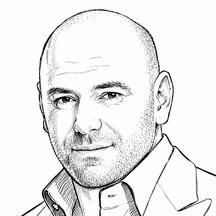
Dana WhiteUFC President and CEO who publicly overhauled his health after human biologist Gary Brecka told him, from bloodwork alone, that he had about a decade to live. White credits the data-driven protocol, including an 86-hour water fast he described publicly, cleaned-up eating, daily training and cold/heat exposure, with dramatic weight loss and reversing multiple risk markers.
Kayla Barnes-LentzBiohacker and co-owner of LYV wellness clinics who documents her protocol publicly on the Longevity Optimization podcast. Her days are structured around circadian light, morning sun, evening blue-light blocking, sauna and cold contrast, red-light therapy, a whole-food organic diet, no alcohol, and clinician-supervised therapies she discusses openly.
Chris HemsworthActor behind Thor and founder of the fitness platform Centr, whose National Geographic series Limitless documented him stress-testing longevity science on himself. His regular routine mixes functional strength training, surfing, ice baths and sauna contrast, and shared family meals at home in Byron Bay.
Siim LandEstonian author and self-experimenter behind Metabolic Autophagy, focused on the practical side of longevity research. His documented staples: daily time-restricted eating, frequent sauna, heavy resistance training, walks after meals, and deliberate cold exposure.
Rhonda PatrickBiomedical scientist behind FoundMyFitness, known for translating aging, nutrition and exercise research into practice. Her documented routine leans on frequent sauna use, a micronutrient-dense smoothie with broccoli sprouts, omega-3 and vitamin D supplementation, high-intensity interval training, and a consistent time-restricted eating window.
Mark HymanPhysician, functional-medicine advocate and author of Young Forever. His own documented regimen: twenty minutes of morning meditation, half an hour of strength and band work, a whole-food pegan diet blending paleo and vegan principles, a considered supplement stack, regular sauna, and a protected evening wind-down.
Gary BreckaHuman biologist, co-founder of 10X Health and host of The Ultimate Human. A former mortality-risk analyst, he built his method around gene testing and fixing nutrient deficiencies, methylation first, plus morning sunlight, breathwork, cold and hydrogen water; he discusses peptide therapies openly on his podcast. Dana White publicly credits Brecka's protocol with transforming his health.
Peter AttiaPhysician and author of Outlive, focused on the science of longevity, what he calls Medicine 3.0. His own regimen centers on zone 2 cardio, strength and stability work, protected sleep, and relentless metabolic monitoring, all aimed at training for the "centenarian decathlon." He discusses emerging therapies, including peptides, with clinical caution on his podcast The Drive.
Kevin RoseTechnology investor and founder of Digg, Oak (meditation) and Zero (fasting), apps that grew out of his own practices. His documented routine pairs daily meditation with a consistent time-restricted eating window, cold plunges, sauna, and a near-ceremonial pour-over coffee ritual.

Notes from the community

Sign up to share how you do this habit.

No notes yet, be the first.

For information only.

These habits are compiled from public statements and are not medical advice or endorsed by these figures. Consult a qualified professional before changing your routine, supplements, or therapies.